

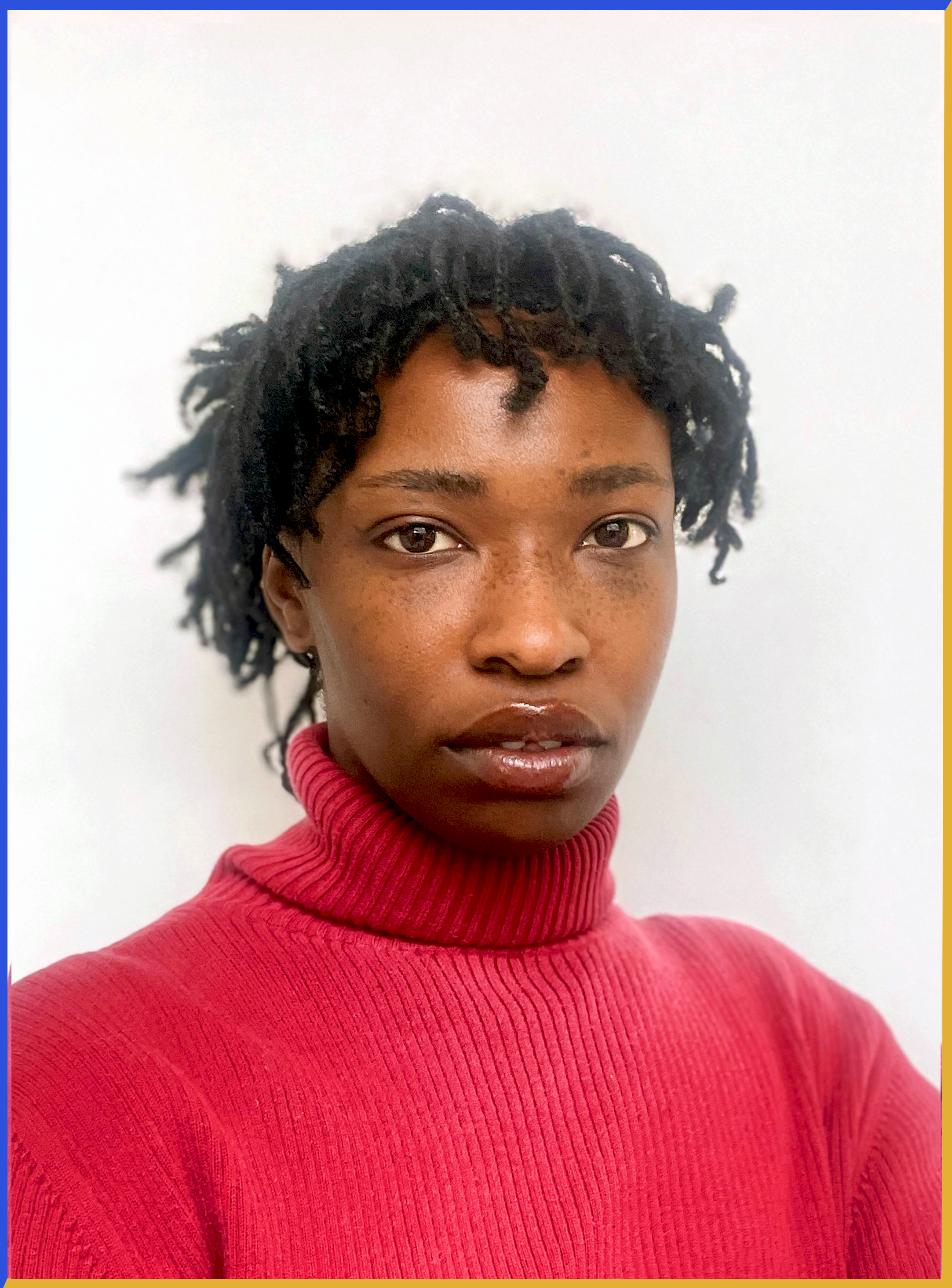
Erykah Townsend, also known as E.T., is a conceptual artist based in Cleveland, Ohio. Her art boldly confronts and questions the role of pop culture in our lives. Townsend uses pop culture as a medium to explore the spaces it occupies in our lives and to inquire about the nature of the imaginary. She states, “I use pop culture as a medium, exploring the spaces it fills in our lives and questioning how real the imaginary is.” Through reflective and humorous narratives, Townsend employs characters, cultural icons, and objects as allegories for her critique.
Additionally, her work incorporates elements from these original sources, providing the audience with a fresh and sentimental experience.

Townsend argues that certain fictional characters and icons have become so embedded in popular culture that they essentially exist in the real world. This idea is similar to René Magritte's painting "The Treachery of Images," which depicts a pipe and challenges the viewer's perception of reality—showing that a painting of a pipe is not the same as a real pipe, but both have significance. Likewise, Mickey Mouse is both a mouse and an animated character; he holds a presence in culture comparable to that of a real mouse. Townsend believes there is no meaningful distinction between painting a fictional character like Big Bird and painting a real canary, as both exist within our culture and effectively convey their respective forms or existence.
“It's all real. Think about it. Haven't Luke Skywalker and Santa Claus affected your lives more than most real people in this room? I mean, whether Jesus is real or not, he... he's had a bigger impact on the world than any of us have. And the same could be said of Bugs Bunny and, a-and Superman and Harry Potter. They've changed my life, changed the way I act on the Earth. Doesn't that make them kind of "real." They might be imaginary, but, but they're more important than most of us here. And they're all gonna be around long after we're dead. So in a way, those things are more realer than any of us.”
— Kyle Broflovski